
Left atrial appendage occlusion
What is the Left Atrial Appendage?
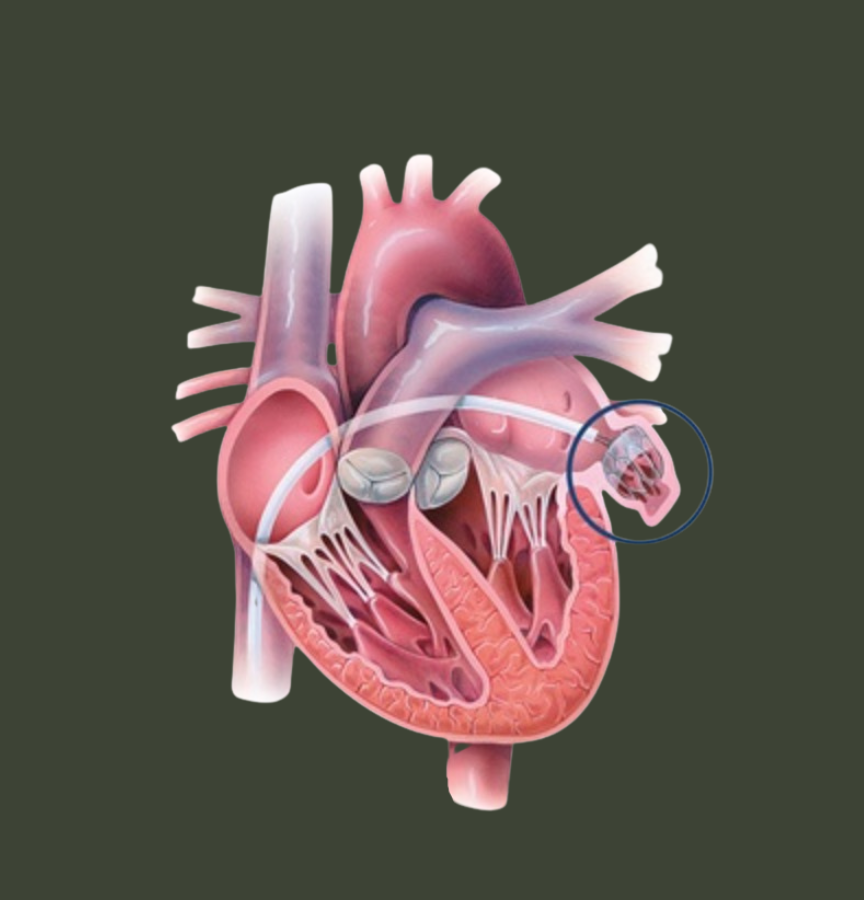
The left atrial appendage (LAA) is a small pouch in the wall of the left atrium, one of the heart’s upper chambers. In people with atrial fibrillation (AF), blood flow in this pouch can become sluggish, allowing blood clots to form. If a clot travels from the heart to the brain, it can cause a stroke. In fact, most stroke-causing clots in patients with atrial fibrillation originate from the left atrial appendage.
What is Left Atrial Appendage Occlusion?
Left atrial appendage occlusion (LAAO) is a minimally invasive procedure used to reduce the risk of stroke in patients with atrial fibrillation. The procedure involves placing a small device to seal off the left atrial appendage, preventing blood clots from forming in or escaping from this area.
LAAO is often recommended for patients with atrial fibrillation who are unable to take long-term blood-thinning medication or who have a high risk of bleeding.
What are the benefits?
Reduces the risk of stroke in patients with atrial fibrillation
Minimally invasive procedure without open-heart surgery
May allow patients to avoid long-term blood-thinning medication
Short hospital stay and relatively quick recovery
Proven safe and effective in appropriate patients
How does it work?
During the procedure, a thin catheter is inserted through a vein in the leg and guided to the heart. Using specialised imaging, the cardiologist positions a small closure device at the opening of the left atrial appendage. Once in place, the device seals the appendage, preventing blood clots from entering the bloodstream. Over time, the body’s own tissue grows over the device, permanently closing the appendage.
What to expect after the procedure?
Most patients recover quickly and are able to return home the same or the following day. Light activities can usually be resumed within a few days. Patients may need to take blood-thinning medication for a short period while the device heals into place. Follow-up appointments and imaging tests are performed to ensure the device is well positioned and functioning as intended.
DELIVERING TIMELY, EXPERT STRUCTURAL HEART CARE WITH PRECISION, COMPASSION, AND WORLD-CLASS OUTCOMES.