
Transcatheter Aortic Valve Implantation (TAVI)
What is Aortic Stenosis?
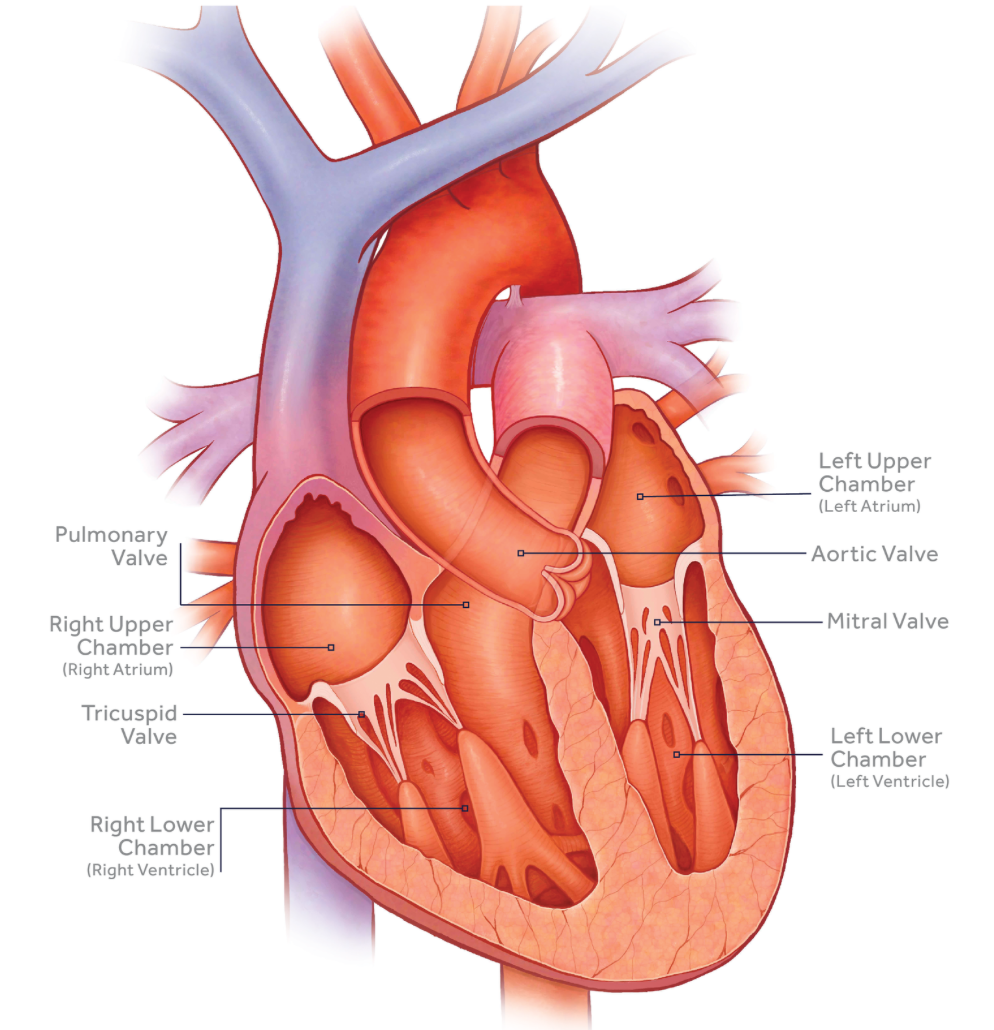
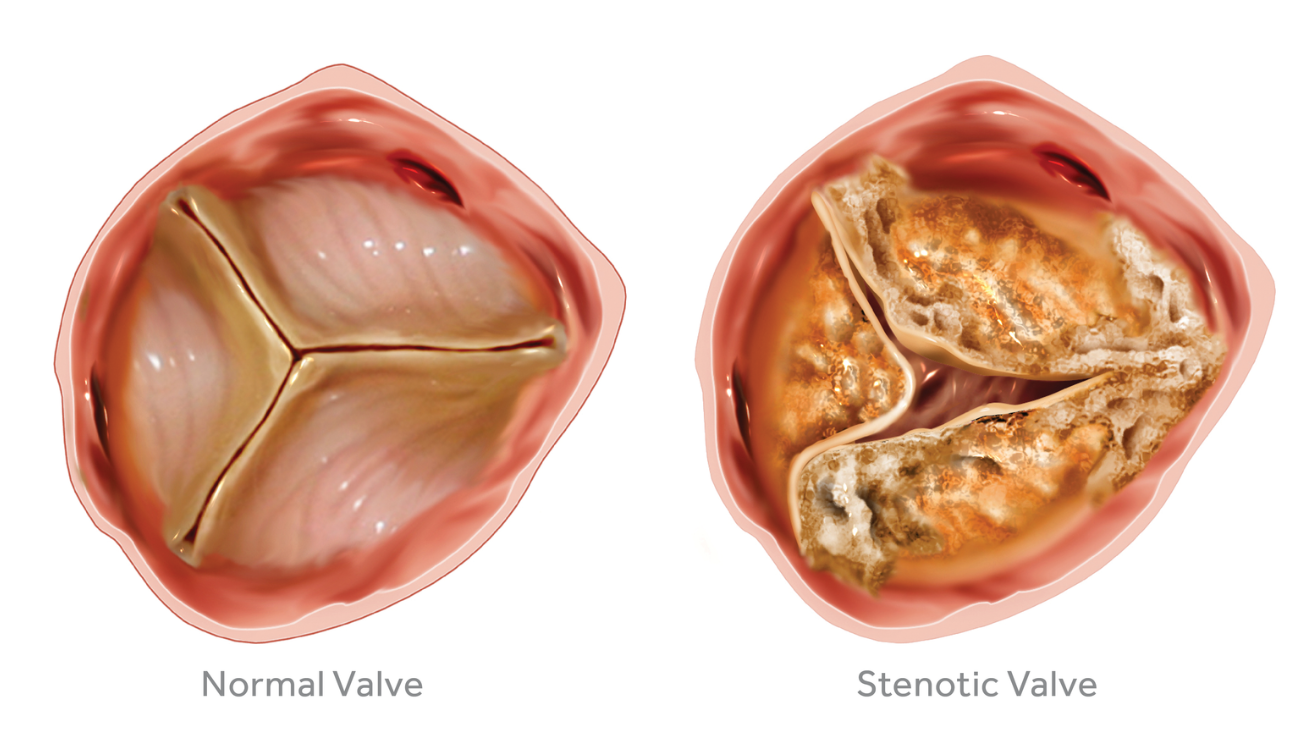
The aortic valve opens when the heart’s left ventricle contracts to allow the passage of blood into the aorta, the body’s main artery. Aortic stenosis is the narrowing of the aortic valve, which restricts the flow of blood from the ventricle into the aorta. This can cause patients to feel breathless, experience palpitations, chest pain, fatigue, and even fainting.
There are various treatment options depending on age and the severity of the narrowing. Diagnosis through an echocardiogram helps determine this and, if required, your cardiologist will discuss potential procedures such as TAVI or surgical aortic valve replacement.
What is TAVI?
TAVI (also called TAVR – transcatheter aortic valve replacement) is a minimally invasive procedure used to treat aortic valve stenosis.
Who needs it?
TAVI is often recommended for patients who are considered high-risk or too frail for traditional open-heart surgery. However, it is also now used in people at low or moderate risk, depending on individual health and heart conditions. The decision about whether TAVI vs surgery is suitable for each patient is made by a heart team which includes cardiologists with different sub-speciality backgrounds such as imaging, heart failure or interventional cardiology, cardiothoracic surgeons, structural heart nurses and sometimes general physicians or other specialties such a geriatrician.
How does it work?
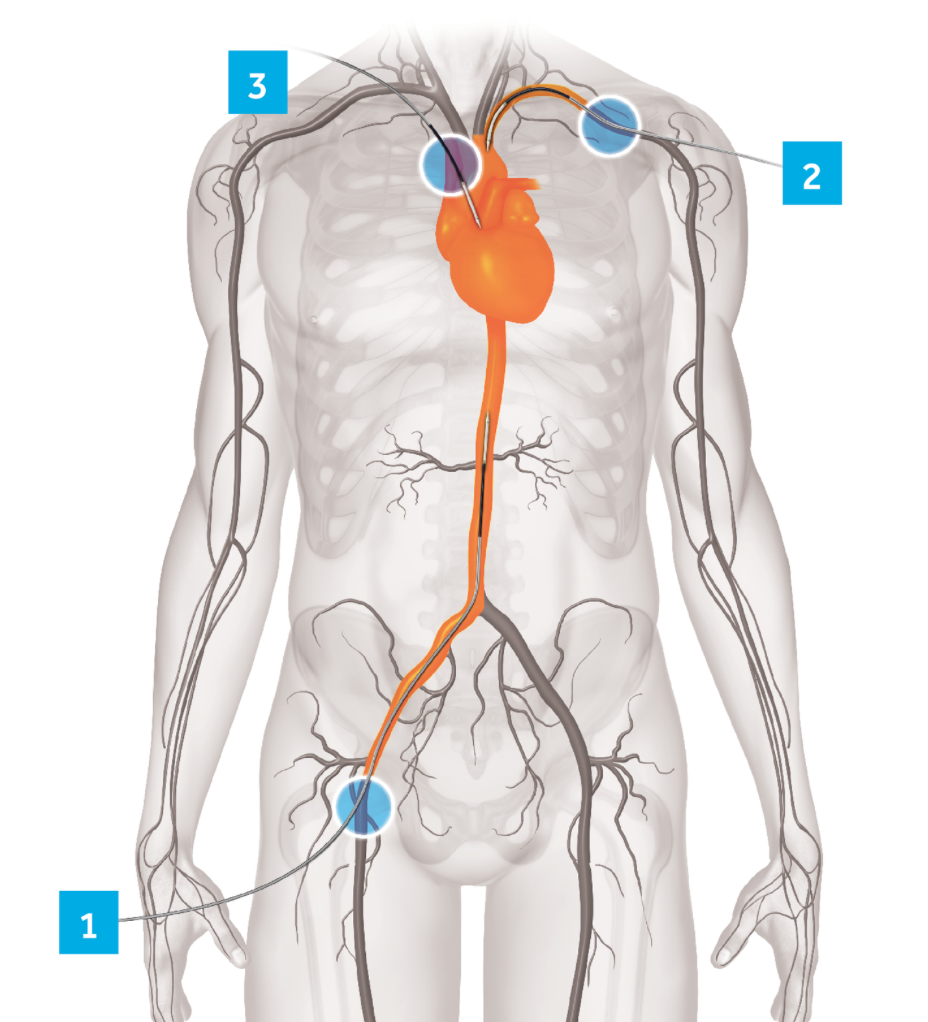
Instead of opening the chest, doctors insert a thin tube (called a catheter), usually through an artery in the leg. A new artificial valve is guided through the catheter to the heart and placed inside the old, damaged valve. The new valve then takes over, allowing blood to flow properly again.
What are the benefits?
Less invasive than open-heart surgery
Shorter hospital stay and recovery time
Reduced pain and risk of complications for many patients
What to expect after the procedure:
Most patients feel better quickly and are able to return to normal activities within a few weeks. You will have regular follow-up appointments to monitor the new valve and your heart’s function.
What is Aortic Stenosis?
What are the benefits of TAVI?
What is TAVI?
What happens in the TAVI procedure?
DELIVERING TIMELY, EXPERT STRUCTURAL HEART CARE WITH PRECISION, COMPASSION, AND WORLD-CLASS OUTCOMES.