
Pfo and asd closure
ASD vs PFO: What’s the Difference?
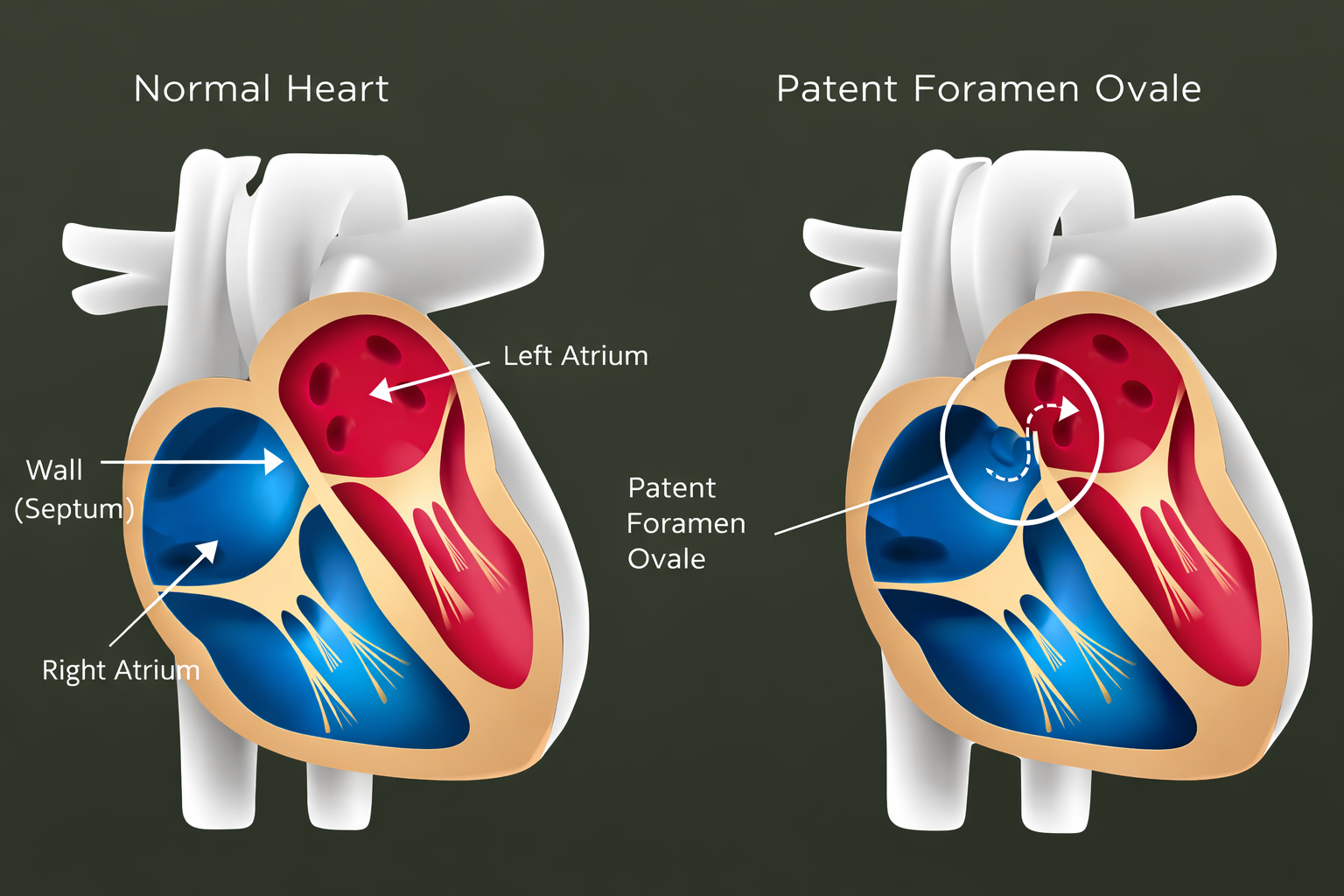
Both atrial septal defect (ASD) and patent foramen ovale (PFO) involve an opening between the two upper chambers of the heart (the atria). While they may sound similar, they are different conditions with different causes and clinical implications.
Patent Foramen Ovale (PFO)
A PFO is a small flap-like opening between the right and left atria that is present in everyone before birth. This opening usually closes naturally after birth, but in about one in four adults it remains partially open.
Most people with a PFO have no symptoms and may never know they have one. However, in some cases it can allow small blood clots to pass from the right side of the heart to the left side and travel to the brain, which may lead to stroke. In selected patients who have experienced an unexplained stroke, closing the PFO may reduce the risk of future events.
Atrial Septal Defect (ASD)
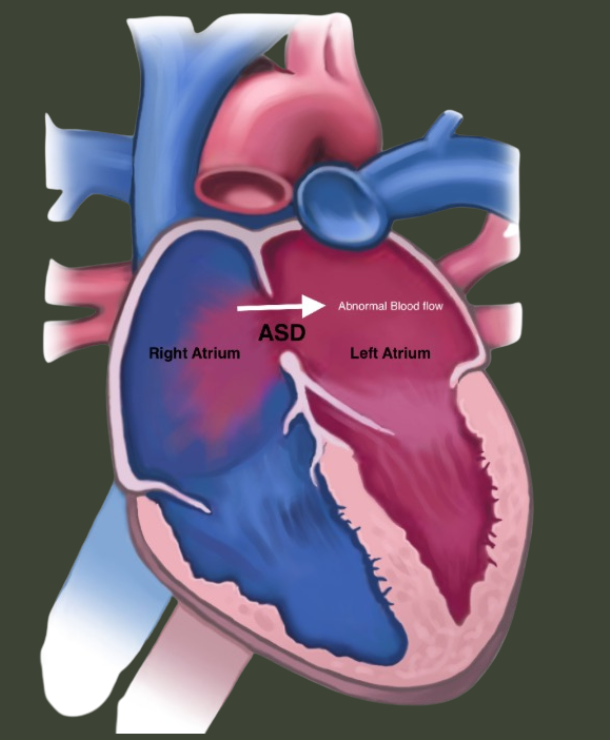
An ASD is a true hole in the wall (septum) between the atria that develops during heart formation before birth. Unlike a PFO, it is not a flap but an actual structural opening.
ASDs can allow extra blood to flow from the left atrium to the right atrium, increasing blood flow to the lungs and placing additional strain on the right side of the heart. Over time this may cause symptoms such as shortness of breath, fatigue, or heart rhythm problems. Larger ASDs are often treated to prevent long-term complications
What is the Treatment?
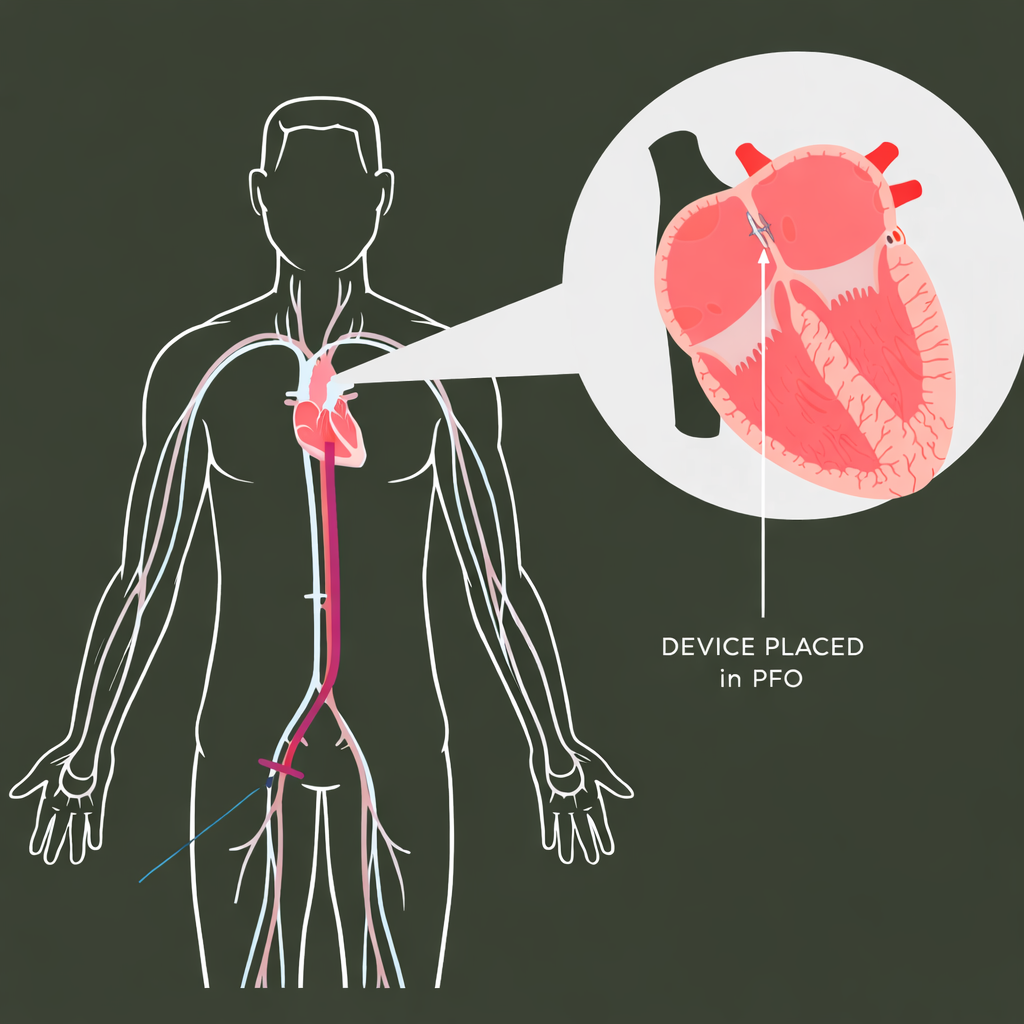
Both PFO and ASD can often be treated with minimally invasive catheter-based procedures. During the procedure, a small closure device is delivered through a vein in the leg to seal the opening in the heart.
Your cardiologist will recommend the most appropriate treatment based on your symptoms, imaging results, and overall heart health.
What to expect after the procedure?
Most patients recover quickly and are able to return home the same or the following day. Light activity can usually be resumed within a few days. Patients are typically prescribed anti-platelet (such as aspirin and / or clopidogrel) medication for a short period while the device heals into place. Follow-up appointments and imaging tests are used to ensure the device is functioning well and the heart is healing normally.
DELIVERING TIMELY, EXPERT STRUCTURAL HEART CARE WITH PRECISION, COMPASSION, AND WORLD-CLASS OUTCOMES.