
Mitral valve Transcatheter edge-to-edge repair
What is Mitral Regurgitation (MR) and its symptoms?
What are the treatment options for MR?
What is Transcatheter Edge-to-Edge Repair (TEER)?
What is Mitral Regurgitation?
Mitral regurgitation occurs when the mitral valve in the heart does not close properly, allowing blood to leak backward from the left ventricle into the left atrium. This can cause symptoms such as breathlessness, fatigue, reduced exercise tolerance, palpitations, and fluid retention. Over time, untreated mitral regurgitation can place extra strain on the heart and lead to heart failure.
What is Mitral Valve Edge-to-Edge Repair?
Mitral valve edge-to-edge repair (often referred to as TEER – Transcatheter Edge-to-Edge Repair) is a minimally invasive procedure used to treat significant mitral regurgitation. It is performed using a catheter-based technique that repairs the existing valve without the need for open-heart surgery.
How does it work?
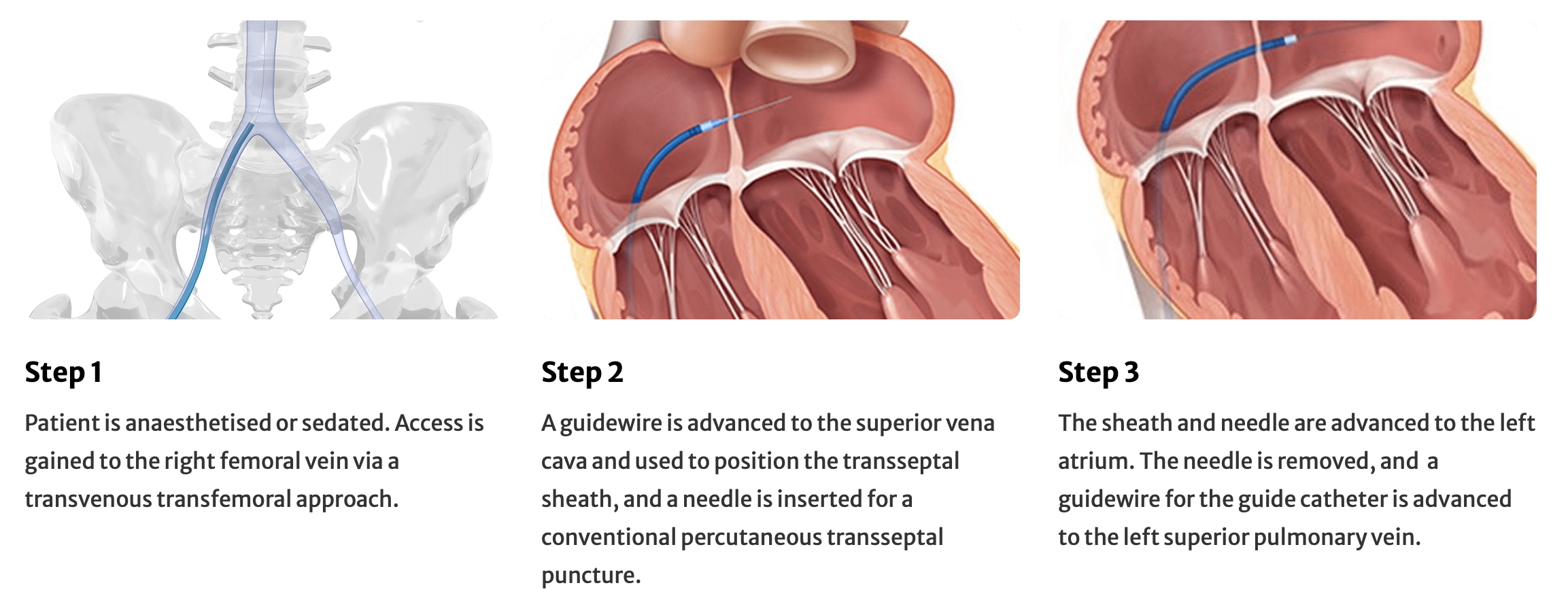
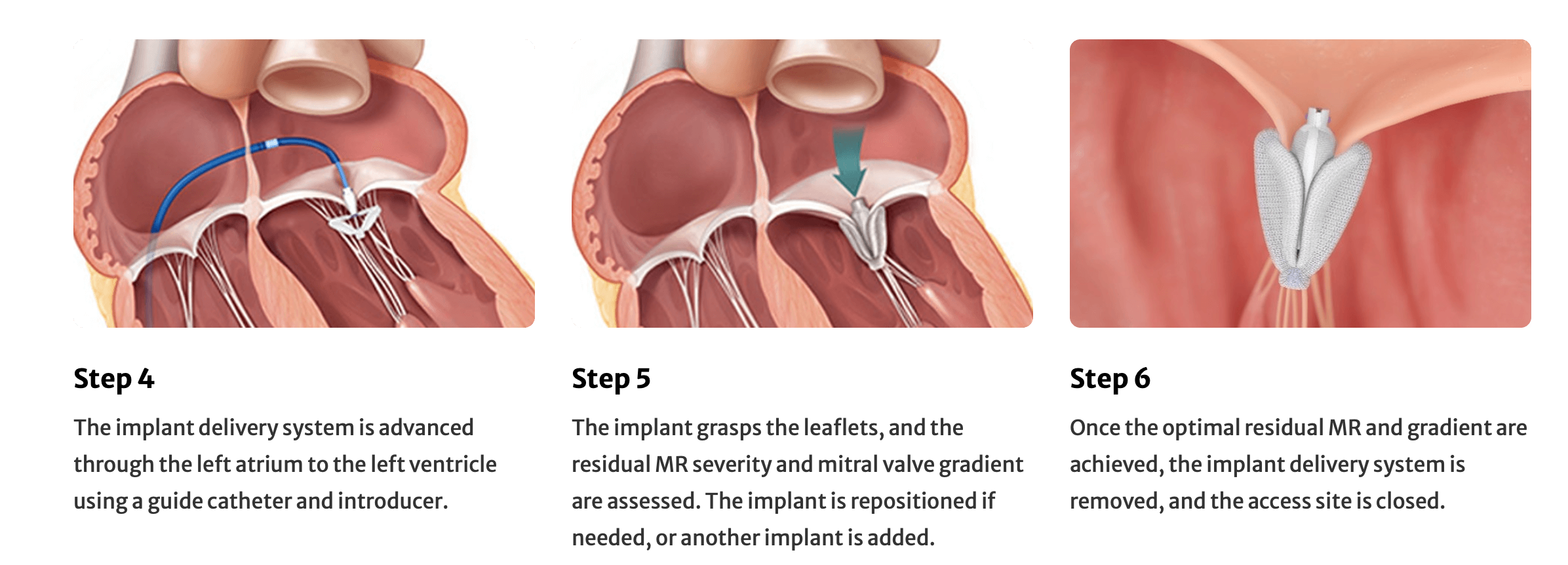
During the procedure, a catheter is inserted through a vein in the leg and guided to the heart. Using advanced imaging, the cardiologist positions a small clip on the mitral valve to bring the valve leaflets closer together. This helps the valve close more effectively and reduces the amount of blood leaking backward.
What are the benefits?
Minimally invasive alternative to open-heart surgery
Reduced symptoms such as breathlessness and fatigue
Shorter hospital stay and recovery time
Improved quality of life for many patients
Suitable for patients who may be high risk for traditional surgery
What to expect after the procedure?
Most patients recover quickly and notice improvement in their symptoms within weeks. Hospital stays are typically short, and many patients are able to return to normal daily activities soon after the procedure. Ongoing follow-up with your cardiology team will monitor the function of the repaired valve and ensure your heart continues to function well.
DELIVERING TIMELY, EXPERT STRUCTURAL HEART CARE WITH PRECISION, COMPASSION, AND WORLD-CLASS OUTCOMES.